
Environmental Site Assessments
An Environmental Site Assessment (ESA) is the primary tool used by the industry to evaluate current conditions and is conducted to address site-specific environments. ESAs also assist in developing technical solutions for removing, reducing, or controlling substances of concern in a manner that aligns with legislative, economic, and social standards.
-
More Details
- Phase I ESA: Identifies areas of concern, reduces uncertainties, assesses potential environmental liabilities, and establishes a basis for further investigation. This phase involves gathering information through the review of historical records, site observations, and personal interviews.
- Phase II ESA: Involves the collection of soil, groundwater, air, and building materials for analysis, comparing concentrations to applicable guidelines.
- Phase III ESA: Involves the development of a remedial action plan, risk management, conducting site remediations, and monitoring to ensure compliance with applicable guidelines. Methods may include groundwater pump-and-treatment, vapour extraction, ORC injections, in-situ remediation programs, and “dig and dump” programs.
Environmental Services
We offer a broad range of environmental services to meet diverse project needs, ensuring the right solutions are applied for every situation.
-
Services include:
- Licensed Underground Storage Tank Removal (PTMAA)
- Site and Groundwater Monitoring Programs
- Methane Management
- Radon Testing and Monitoring
- Soil and Groundwater Chemical Analyses
- Clean Fill Assessments for Soil Import/Export
- Landfill Disposal Applications
If any required tests are not included above, please reach out for a complete list. Inline can coordinate with 3rd parties to complete any testing services not provided by our labs.
Groundwater Monitoring
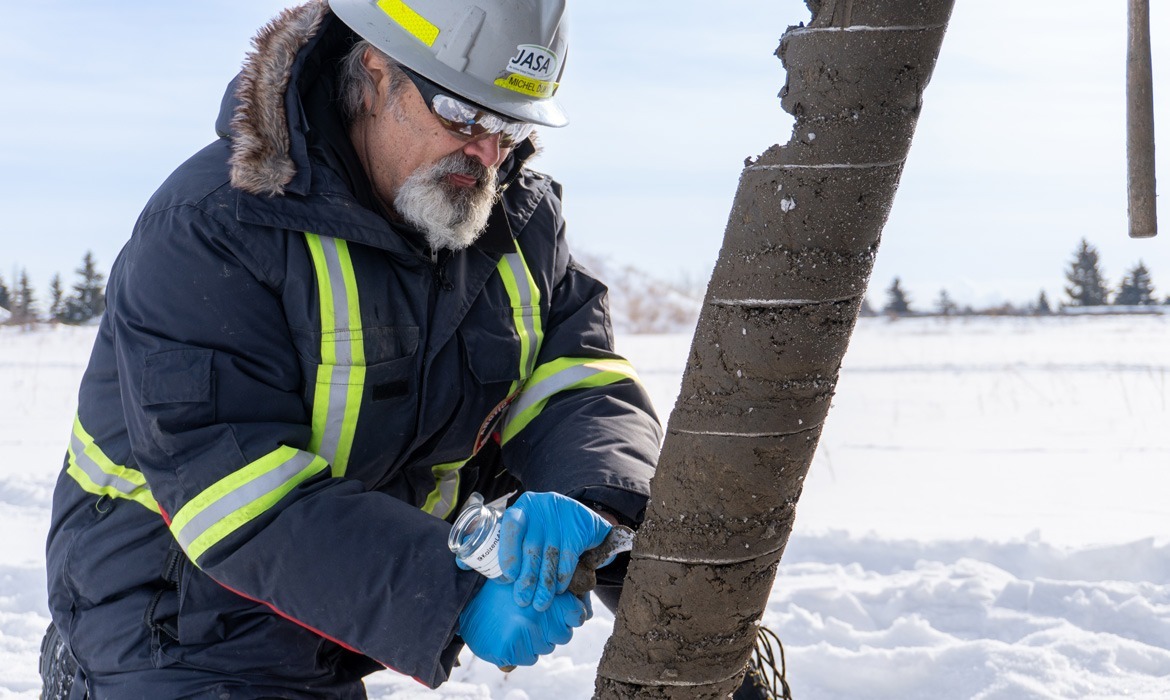
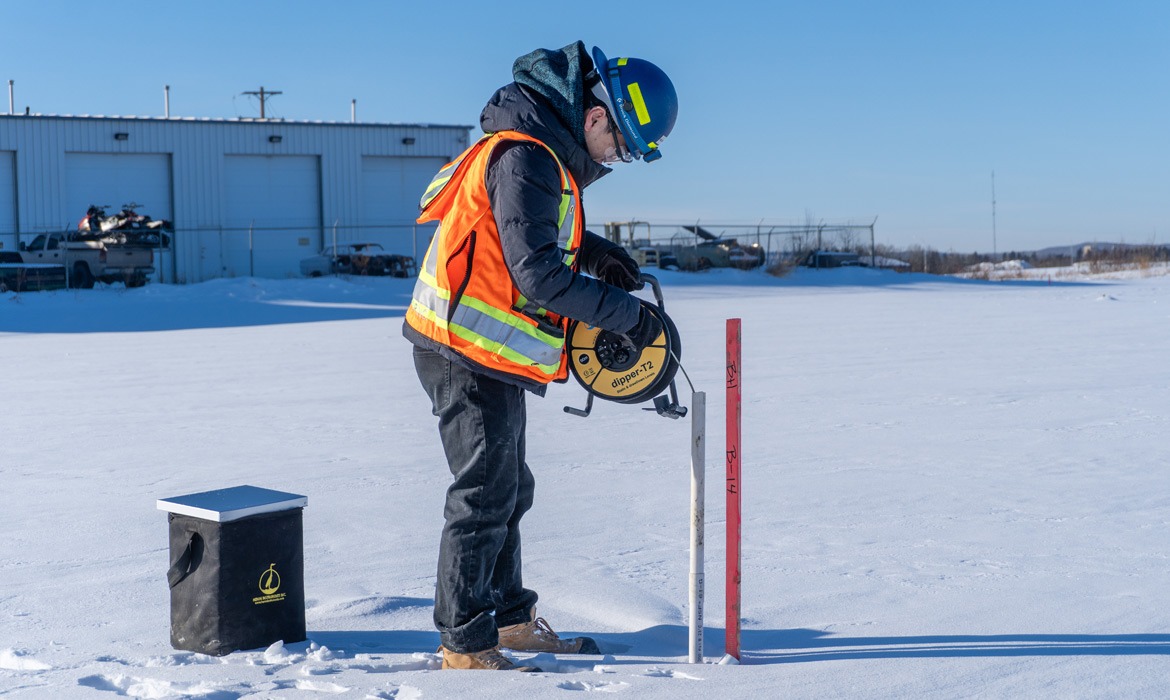
Inline conducts groundwater monitoring to support a wide range of project requirements, installing wells that allow for periodic sampling and testing. Depending on site needs, monitoring may include vapour concentration readings and targeted chemical analyses. Typical applications include post-remedial activities, environmentally sensitive sites, proximity concerns, or containment. Wells are decommissioned once monitoring objectives have been met and are no longer required.
-
Services Include:
- Development of a Groundwater Sampling Program—a routine program, generally conducted quarterly or semi-annually. These may include groundwater field testing, sampling and reporting, and continuous maintenance of monitoring wells.
- Compilation of an Annual Groundwater Summary Report with conclusions and recommendations.
- Communication with regulatory bodies.